
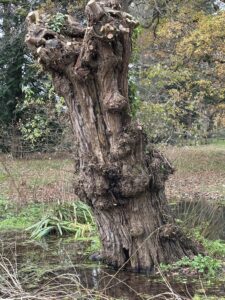
After dark, we can hear the tawny owls that live in the old oak by the pond, calling to each other, “tu-wit, tu-woo”.
In the woods and hedges around the hamlet of Nowhere, where the ancient oaks keep their own counsel and the paths disappear at dusk into darkness, there is an old tree with a hollow space, worn smooth by centuries of weather. My great-grandmother used to say a wise old owl lived there, and some mothers still do, repeating the rhyme as if it were a charm:
The more he saw, the less he spoke; the less he spoke, the more he heard.
![Tawny owls. [Photograph: https://www.pickpik.com/tawny-owl-owl-bird-birds-night-active-animal-3227]](https://blog.neilingram.co.uk/wp-content/uploads/2026/01/tawny-owl-owl-bird-birds-863737eb16d8dd7dca38cfe3d2c200af-768x1024.jpg)
Whether or not the owl is wise in any human sense, we do seem to take care around that tree. We believe that tawny owls protect our woods, and that harm done to any of them would haunt us as bad luck. So fallen branches are stepped around, not over, and axes ring elsewhere. The ancient oaks endure.
At night, the owl still emerges with a quiet knowing, the kind that can sense mice and voles in complete darkness. There she sits still for long minutes, head angled, as though the darkness were speaking and he were weighing its words. This is the stillness that unsettled my great-grandparents. Wisdom, yes—but wisdom tinged with shadow.
Not with the blaze of insight promised by the goddess Athena’s little owl, nor the reason of the law courts and the Bristol merchants, but the intelligence of strategy rather than force: patience over pursuit, timing over speed.

When the cry comes, it comes suddenly, tearing the night. Once, a traveller heard it from the track and remembered a line he had learned in school—the owl that shrieked, the fatal bellman, which gives the sternest good night—and he quickened his pace homewards. The sound seemed final, like a door being closed somewhere far off.
The traveller did not know that what he heard was not one voice at all, but two.
From the oak came a sharp twit, from the female, and from deeper in the wood a rounded tu-woo, from the male. Female and male, call and answer. Not a lament, but a confirmation. This wood is their place, and they are in it together.
For generations, the mistake had been made—one lonely owl calling to the dark—when in truth the sound marked pair-bond and boundary, a steadying signal stitched into the night.
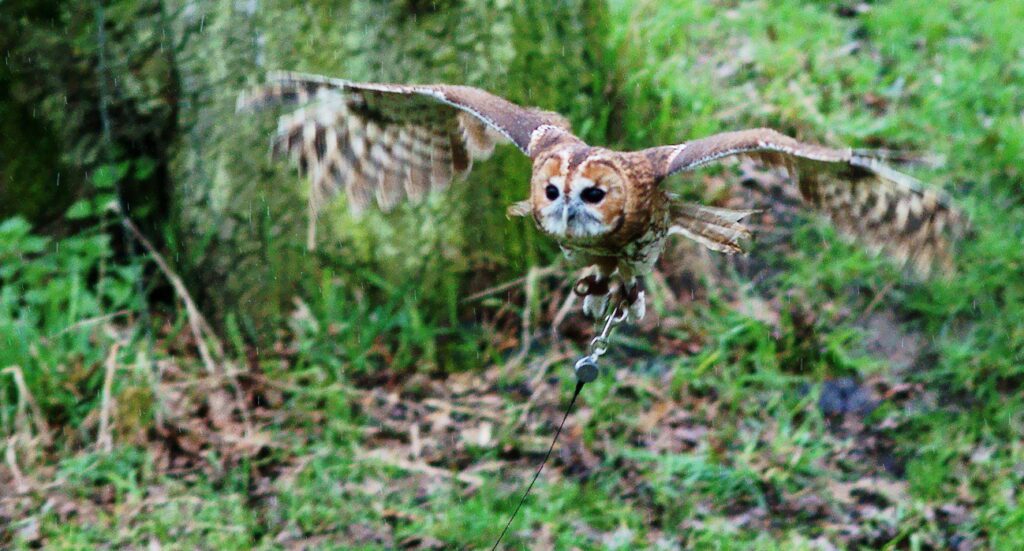
They hunt while others sleep. Not because their eyes are more sensitive than ours—they are not—but because their ears tell them what their eyes can not see. Asymmetrical, finely tuned, they catch the smallest rustle from under the leaf litter.
From a branch they drop without warning, wings betraying no sound, and seize a vole or mouse, swallowing it whole. In leaner times, birds, too. The wood is not sentimental. Even owl chicks are sometimes taken by the buzzards if they can find them.
In Nowhere Wood, the owls continue as they always have, weaving their lives through dark and shadow, with crafts that are millions of years old . Keeping and holding a territory, a pair answering each other in the dark. In balance, with the oak, hollowed by time, listening—saying nothing, but hearing everything.
- Why do people think that owls are wise?





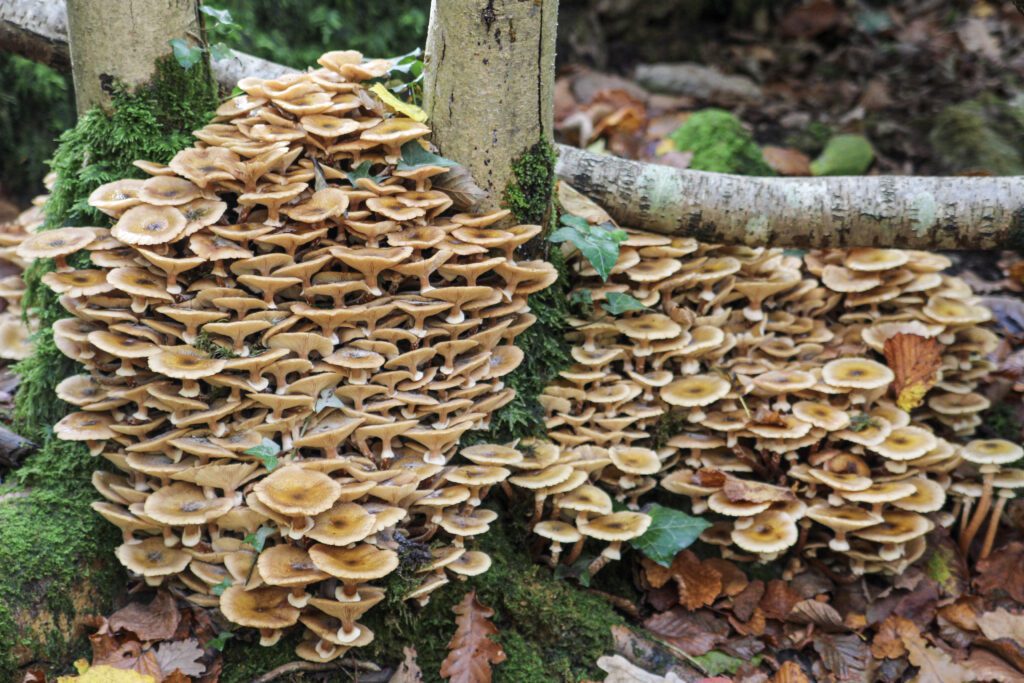
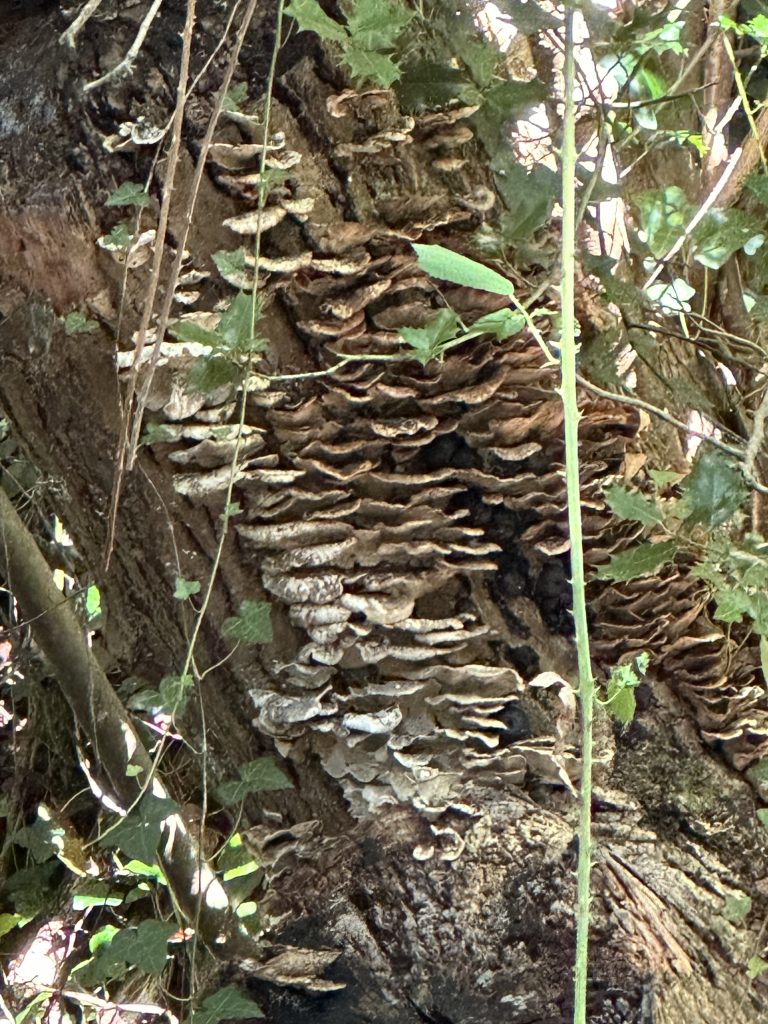
![Bracket fungus on the old beech tree in Nowhere Wood. [Photograph: Pat Gilbert]](https://blog.neilingram.co.uk/wp-content/uploads/2025/10/c1ab4241-025b-4d19-bc0d-1c0166ed0e24-1024x461.jpg)
![Yeasts and other fungi on fallen apples in Tendlewood Park. [Photograph: Neil Ingram]](https://blog.neilingram.co.uk/wp-content/uploads/2025/10/IMG_4147-2-1024x768.jpg)



















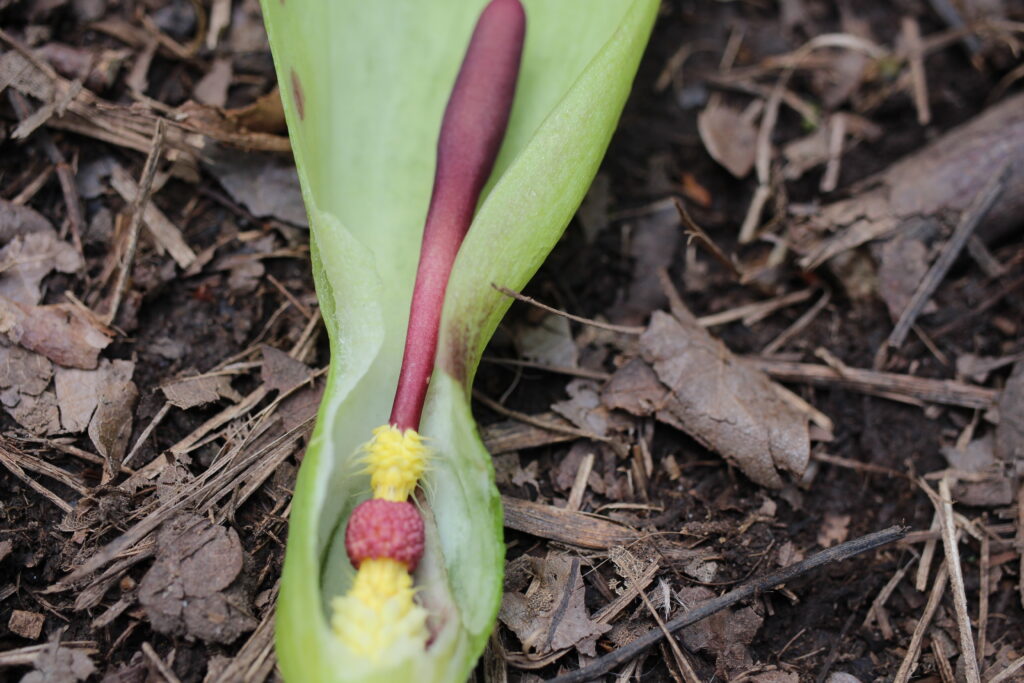
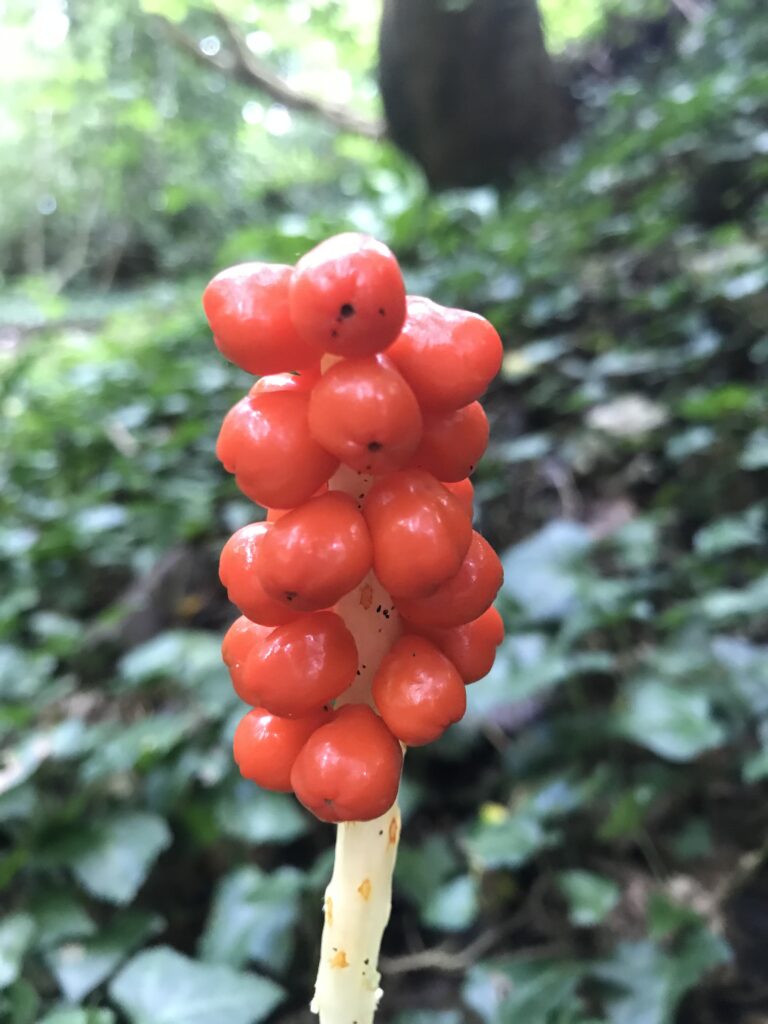
![lords and ladies fruits, nowhere Wood, June. [Photograph: Neil Ingram]](https://blog.neilingram.co.uk/wp-content/uploads/2025/06/IMG_3322-768x1024.jpeg)

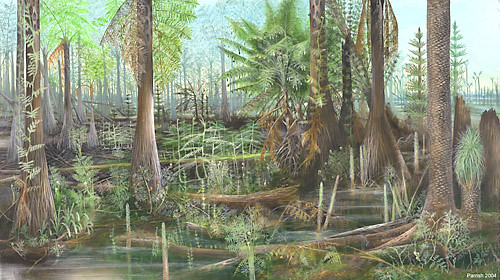
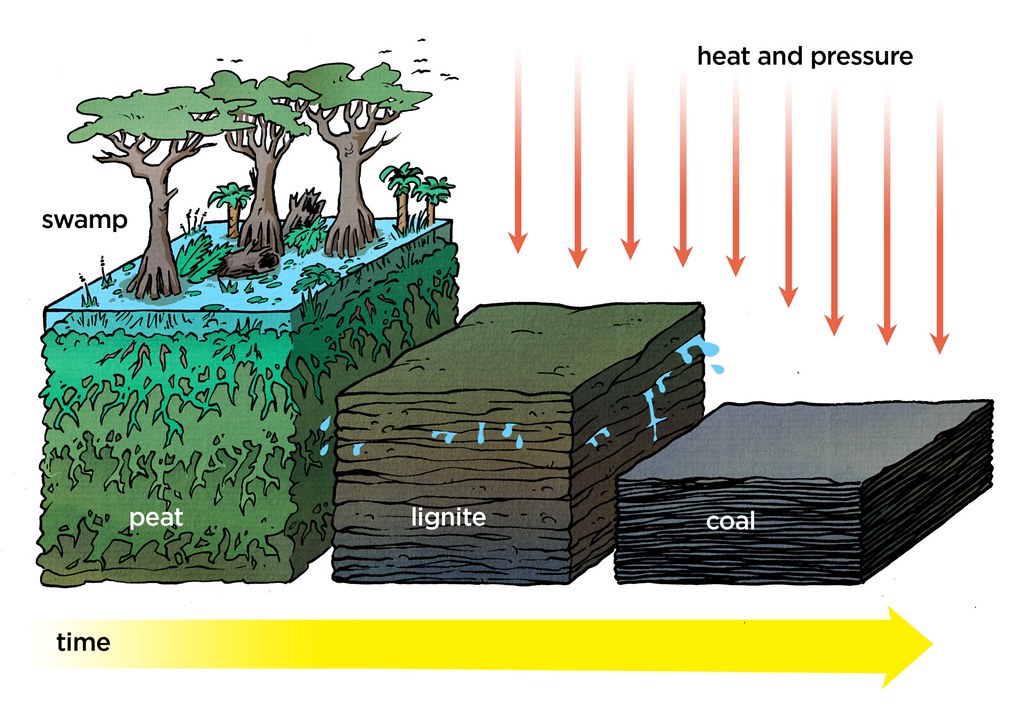

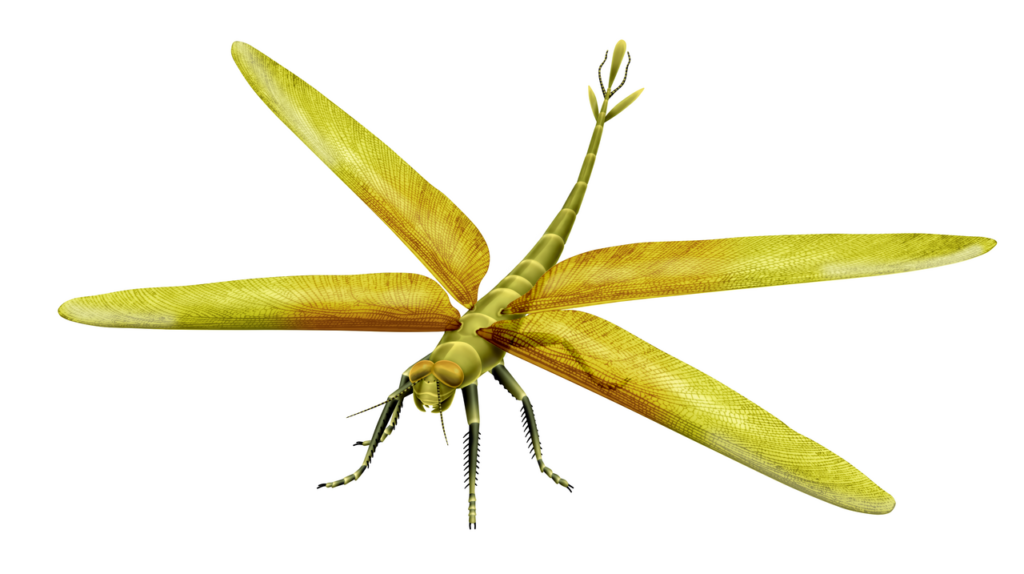


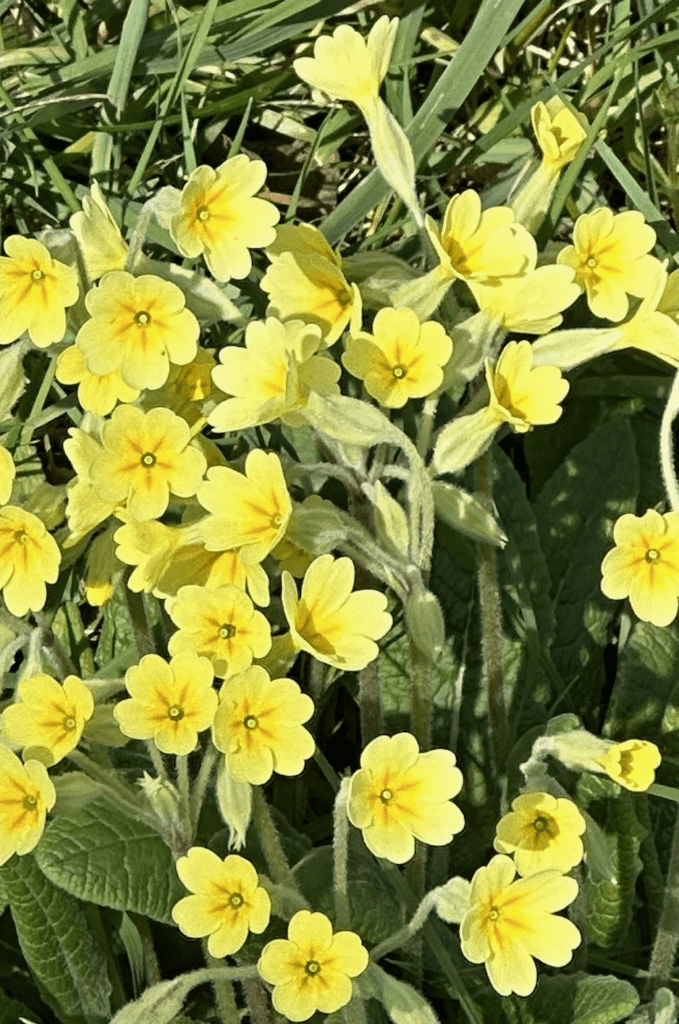
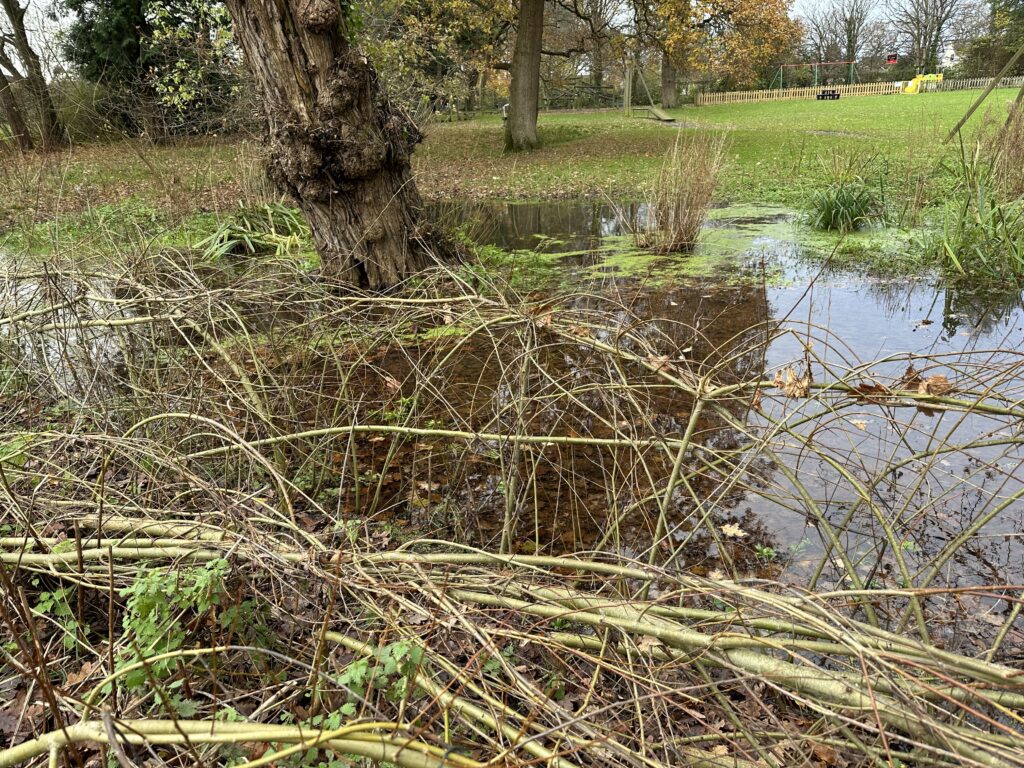
 Winter has come to Nowhere Wood and ice has formed around the fallen trees in the pond. Everything shivers and wood is silent again. Squirrels search for food in the frozen mud, but everything else is waiting, biding its time.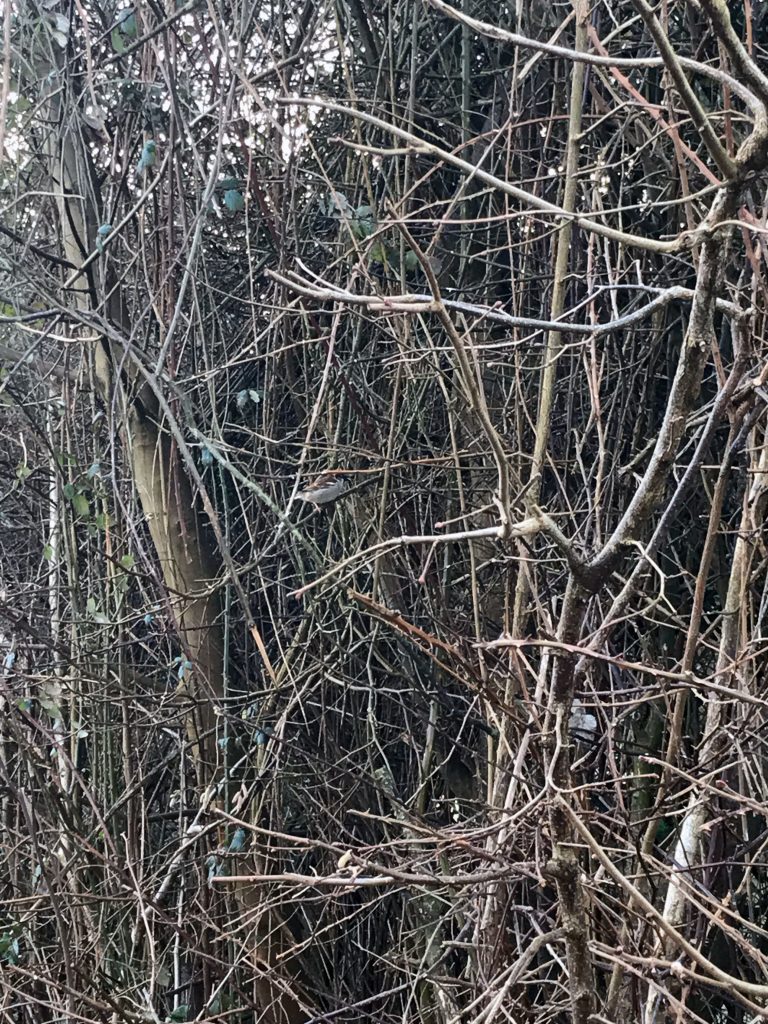
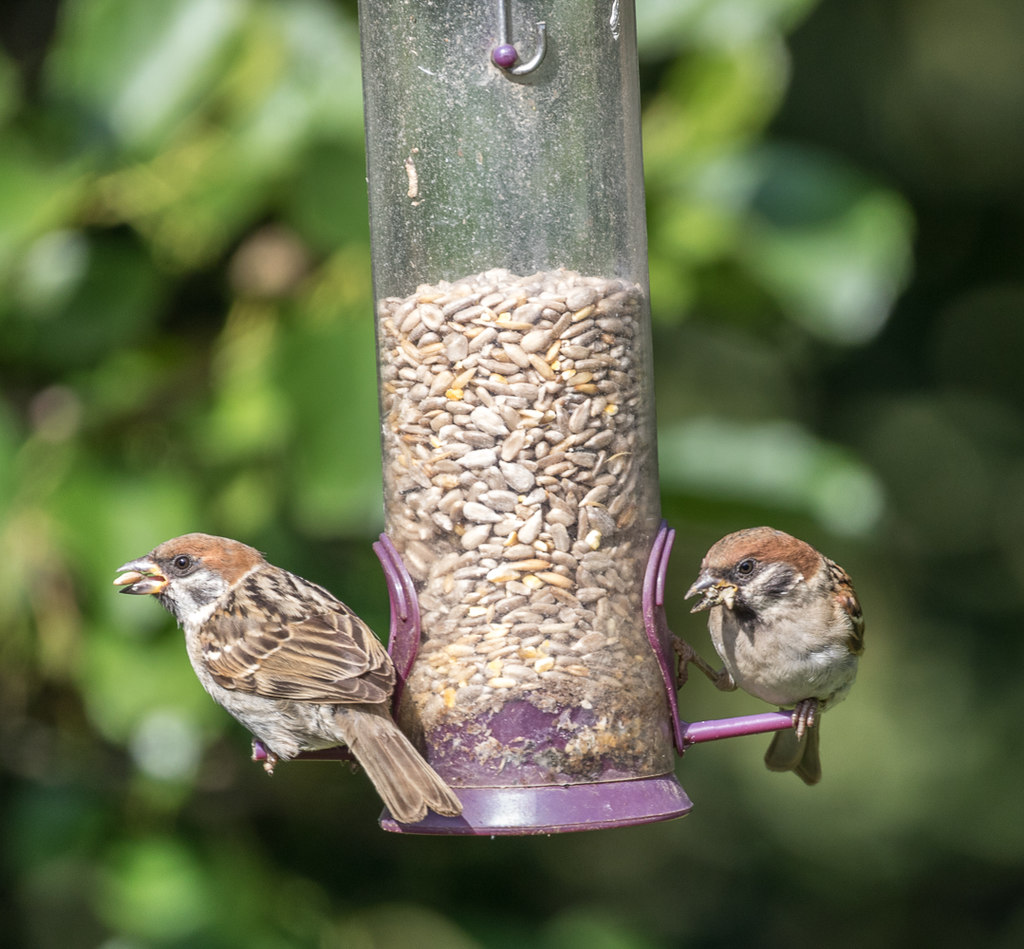
 The tree sparrows are warm, protected from the icy wind by the layers of dead branches that surround them. Impenetrable, they are hidden amongst the branches, out of harm’s way. In this forgotten place, they thrive and they sing.