
Category: climate change
-
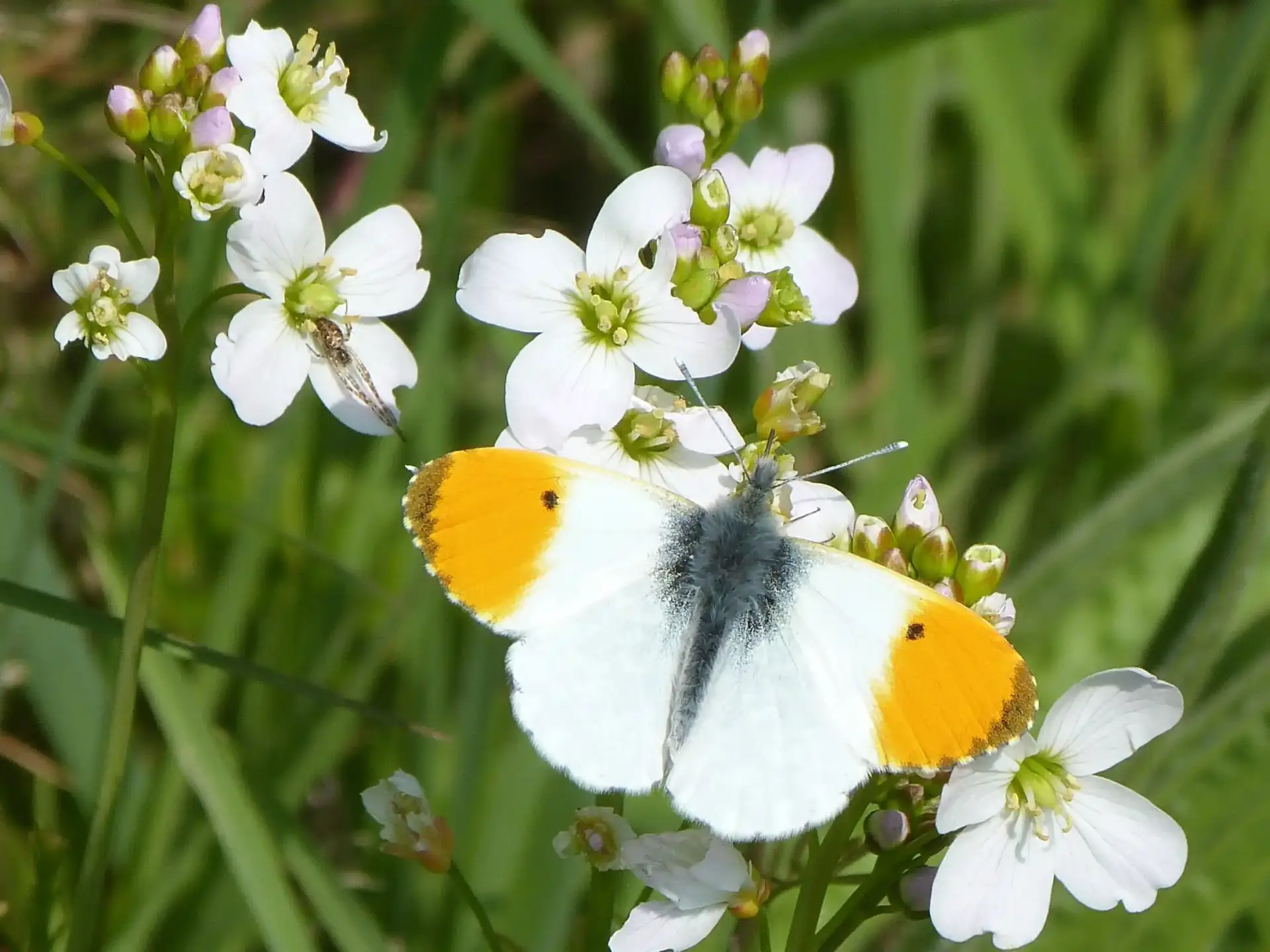
Cuckoo flowers in the spring
Spring has arrived—but the world is not yet settled. In an uncertain climate, people choose uncertainty and so does the weather. Sun, rain, frost and wind – the persistent wind blowing through the meadows. Spring marches onwards, regardless. The cuckoo flower with its dainty lilac flowers hides in the unmown grass, shielded from the biting…
-

The spring…
This is the first part of a two-part story in the sustainable park series of stories. First comes the summer rain, after weeks of drought. Then the wet drizzly, misty days, then the powerful storm from the bay of Biscay, and gradually the water table rises from its summer low. The ancient spring fills and…
-

…. and the pond
This is the second part of a two-part story in the sustainable park series. Every year, the flow of the spring is rather erratic. In some winters it barely registers above ground, in other years it can flood the walkways and paths around the park. To reduce the risk of flooding, the Friends of Trendlewood…
-
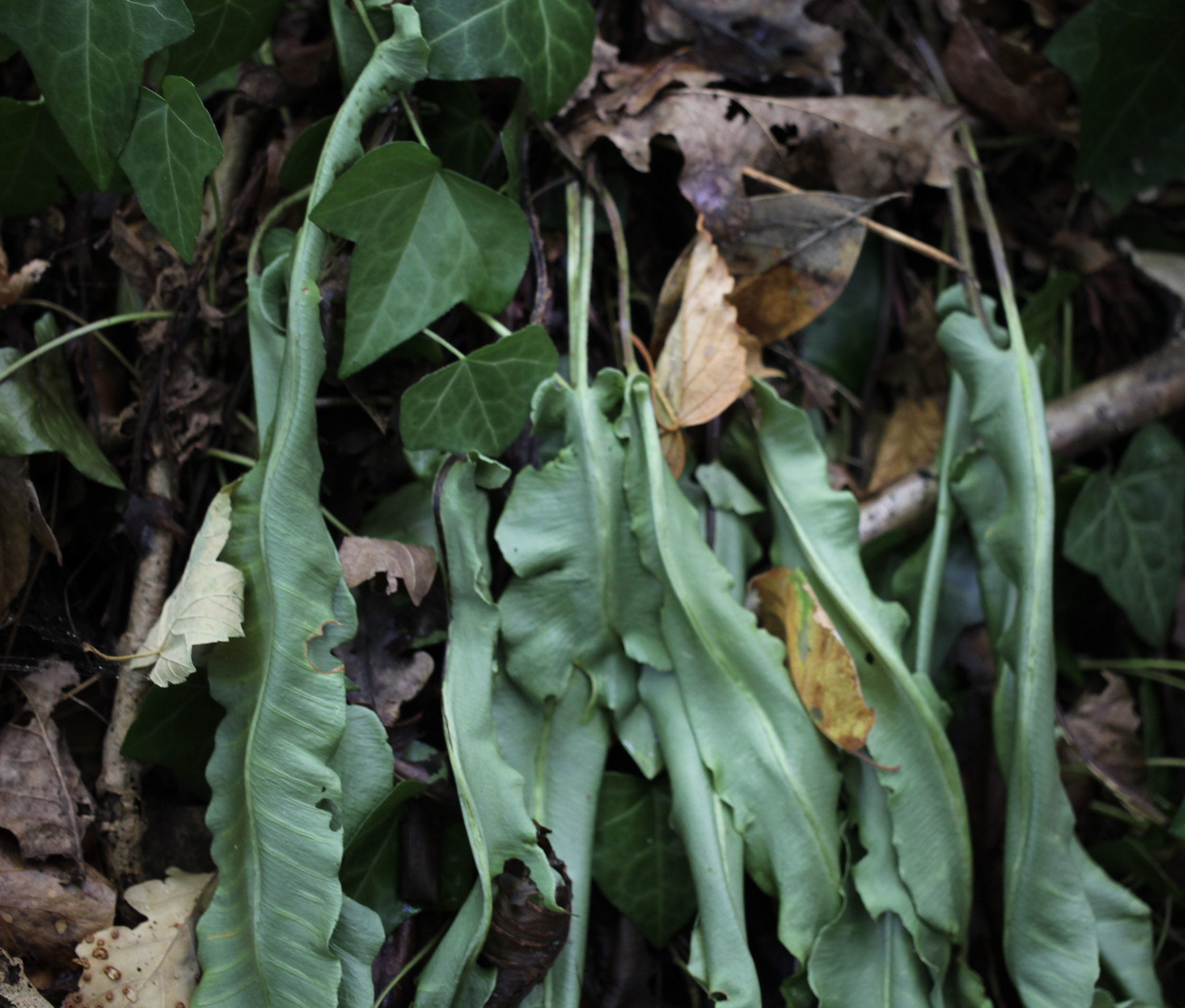
The end of the summer
Nowhere Wood has a weary silence, as the heat stifles its life. It is ready with its autumn plans, which cannot start until it rains. Rain, the life-giver. Yet in flood, rain is the also the destroyer. It is a question of balance. Is the balance changing in the wood? Is the balance changing in…
-

A home for the summer
By the high summer of July, the new fresh leaves of the horse chestnut are losing their lustre. The proud spread of leaves are now crumpled and marked—creased with dry, papery wounds edged in rust. At first glance, it looks like disease or drought. But the truth is stranger, and smaller. These are the workings…
-

Climate change and the air
The air is all round us and is a mixture of many different gases. 78% of the air is made of nitrogen, which is the most common gas. This story is about two other gases found in the air – oxygen and carbon dioxide. We breathe in oxygen and use it to release…
-

Climate change and the weather
Most scientists think that the Earth is getting warmer and that human activities are making it worse. This story looks at some of the evidence they use. Weather experts collect millions of temperature measurements from all around the world every day. They put these results into powerful computers that build a picture of the climate…
-

Climate change and new arrivals
Some animals and plants can’t live in Nowhere Wood because it’s too cold or too wet for them. But the climate has warmed by about 1°C since the 1970s. This small change has allowed new species to come and live in the wood because the climate now suits them better. In 2019, a pair of…
-

A tale of two butterflies
It is a sunny afternoon in May and two butterflies are flying round each other in a shaft of sunlight. The smaller one chases the larger one away. I first thought they were a courting pair, but then realised they are different types. Where do they come from and what are they doing in the…
-
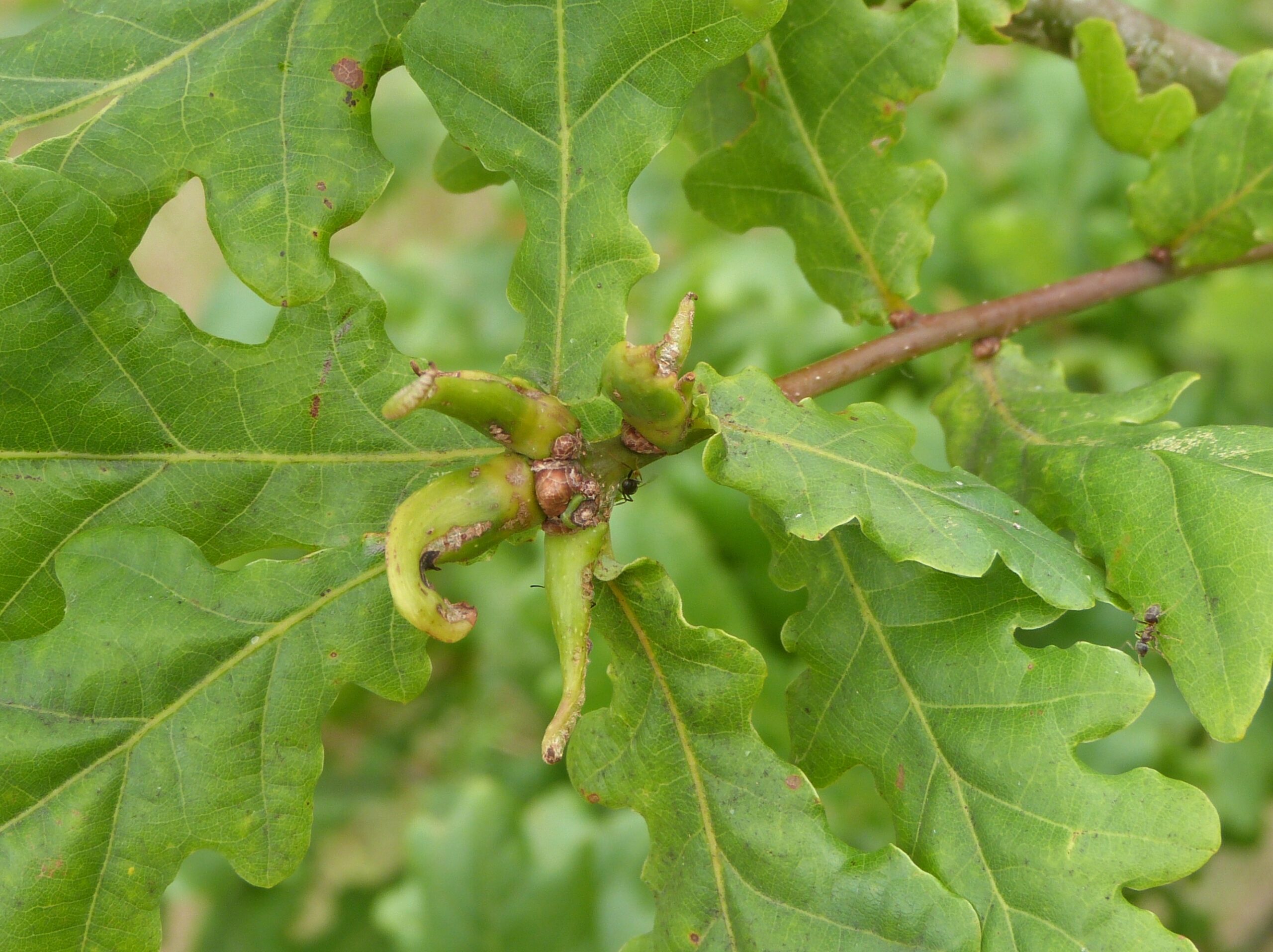
Climate change and the leavers
We can spot new arrivals in Nowhere Wood, if we have time and patience. Anyone can do this if they walk through the wood often, thinking about what they see. It is much harder to notice species that disappear because the changing climate does not suit them. Species come and go from the wood all…
-

Climate change: what can we do about it?
The climate of the whole world is changing because of the rising temperatures. Scientists think that increasing levels of carbon dioxide gas in the air are making these changes worse. The Earth is now an average of two degrees warmer than it was in the 1700s, before the start of the industrial revolution. We should…