


- In what ways do you think that soil is alive?
- Think about how the trees, fungi and earthworms work together to keep the wood alive.
Today, Friday 4th December 2020, is World Soil Day 2020. Here is a video celebrating our dependence on soil:


reflections on the world of Nowhere Wood, Nailsea
Today, Friday 4th December 2020, is World Soil Day 2020. Here is a video celebrating our dependence on soil:
The leaves of plants are everywhere in Nowhere Wood, helping to keep the wood alive. Leaves are organs: collections of living tissues and cells, having adventures in time and space. This is the story of a year in the life of an oak leaf.
Leaves are factories for making sugar from sunlight, water and carbon dioxide from the air. No human factory can do this, which is why we, and all other organisms, are so dependent on plants. Leaves are the producers of food.
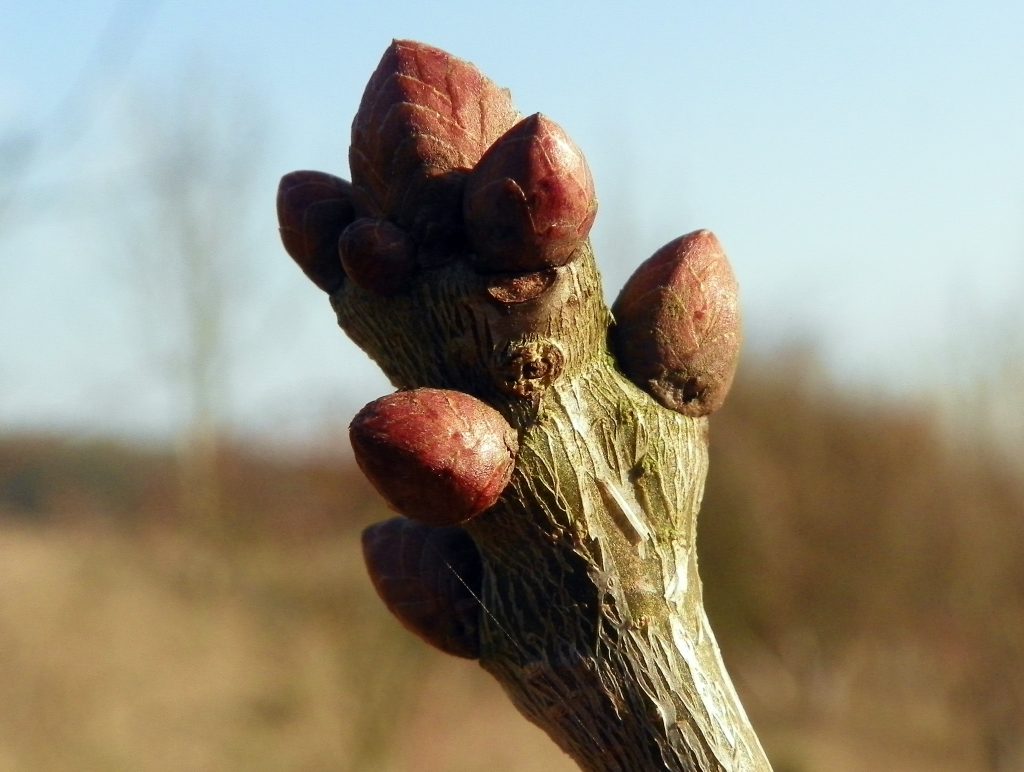
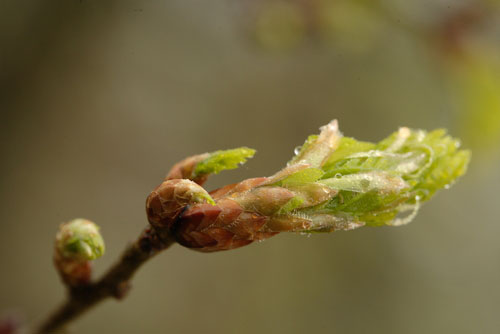
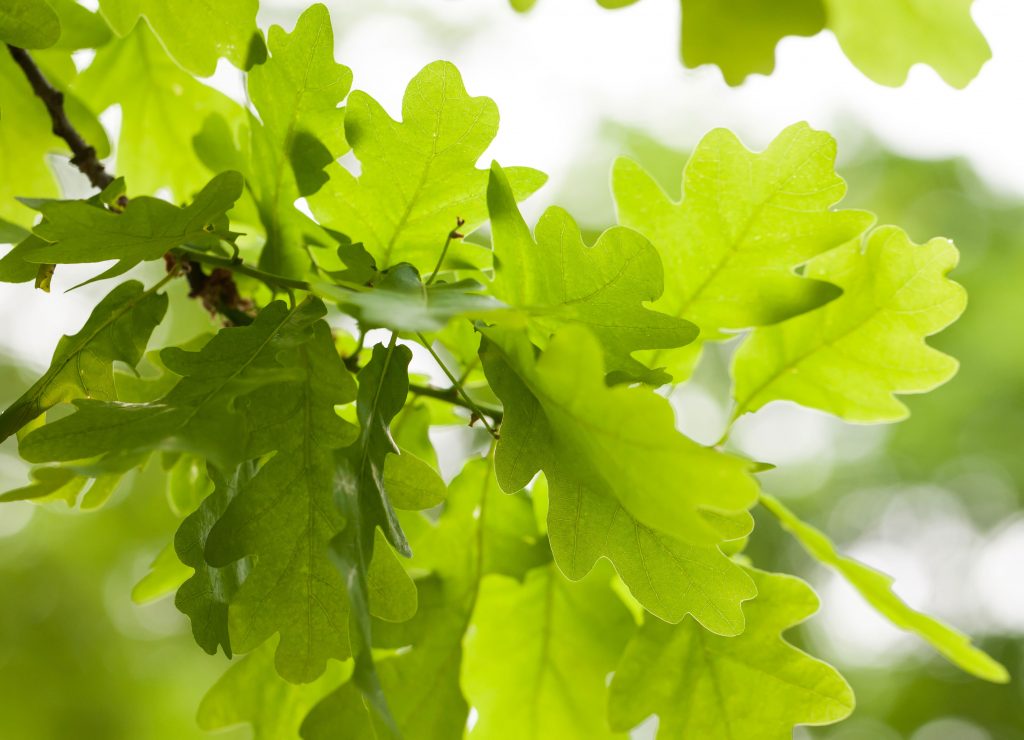
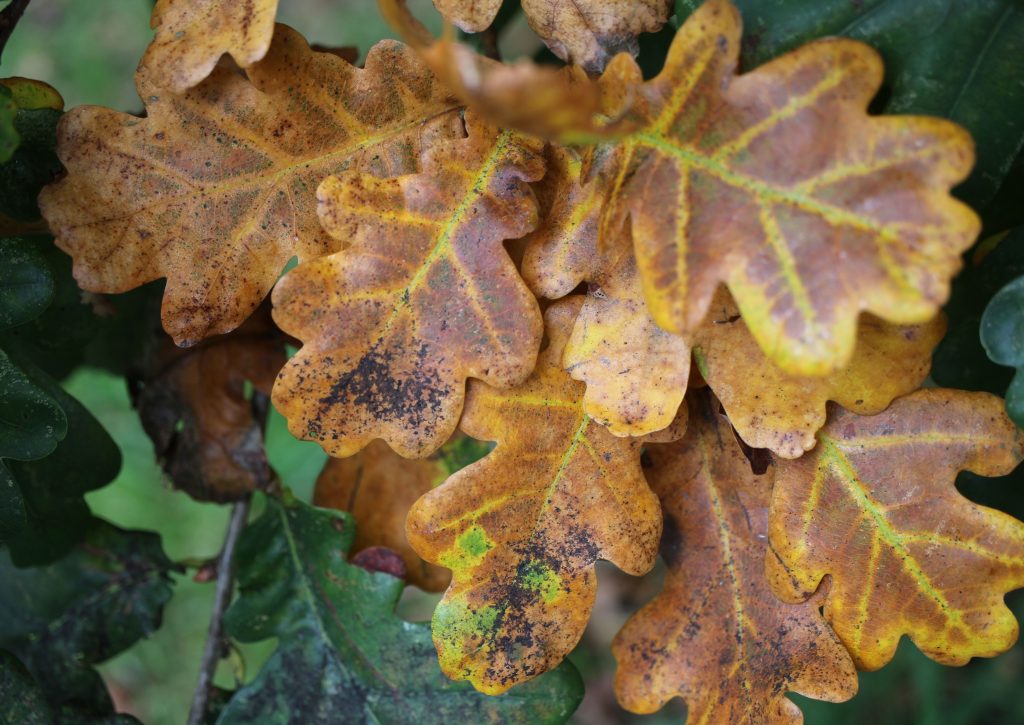
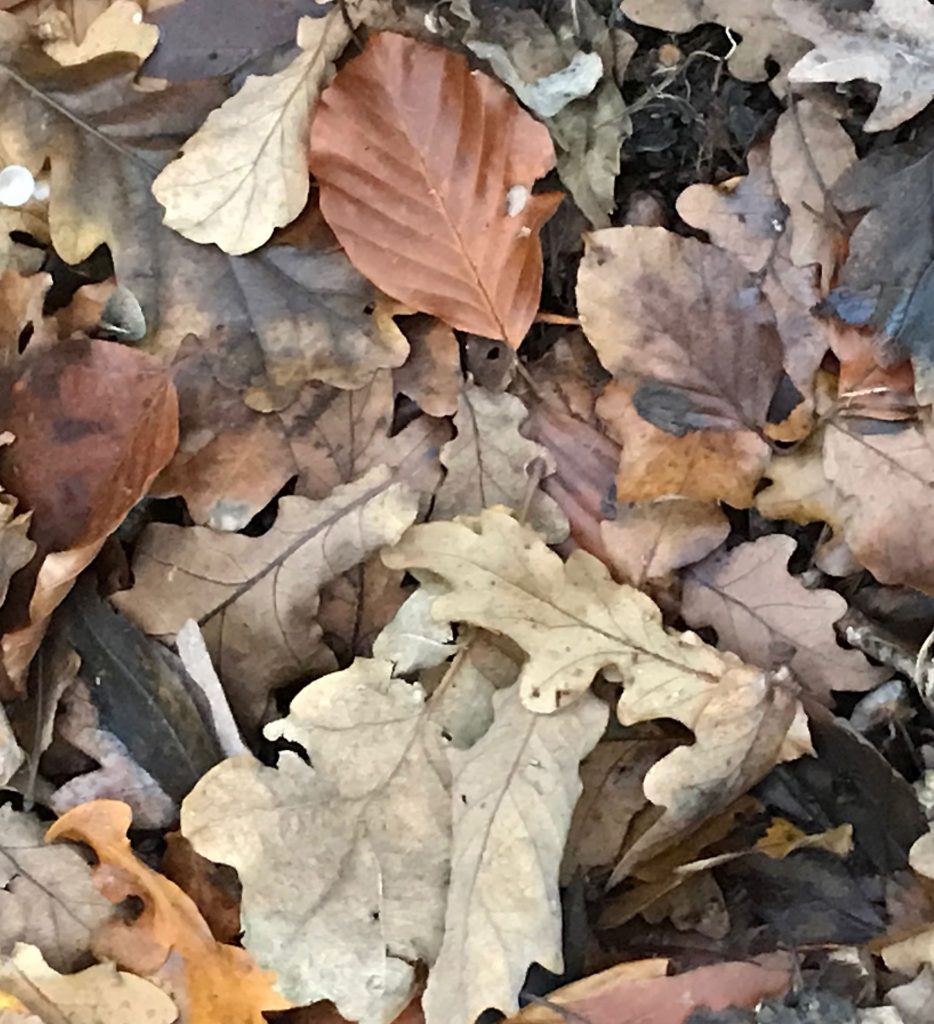
If leaves are factories form making sugar, then trees are factories for making leaves.
Everything has its own season in Nowhere Wood.
Subterranean superheroes
Even people who last met you ten years ago can still recognise you and call you by your name. Although they might add, “My, how you have grown!”
And yet, if we could see under your skin, we would find that you are not the same. One of the biggest mysteries in biology is how we can change all of the time, whilst still staying the same.
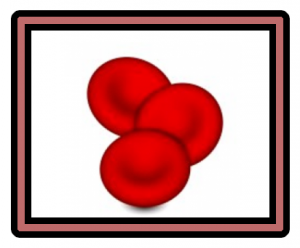
Your skin cells live for about two weeks, so every month they are completely replaced. Red blood cells live for about 100 days and about two million are made in your body in every second.
Some of the chemicals in your cells exist for only minutes or seconds.
There is an energy store called ATP, which is needed for muscle contraction. ATP is made and broken down within 15 seconds. Cells need glucose to make ATP and this explains why muscle cells need a continuous supply of glucose to stay alive. This comes from our food.
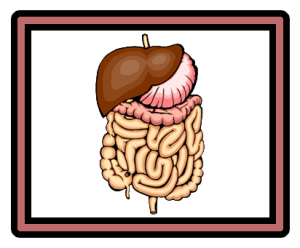
So, how can this be? New cells are made when one cell divides to make two cells. The information in the genome is copied before cells divide, so the new cells always receive the same information as the old cells.
The new cells use this information to grow bigger and to develop. So, you stay the same because of how your new cells use the information in their genomes.
Living organisms are alive because they actively remake themselves. No man-made machine can do this. Which is, perhaps, just as well.
This story continues the adventures of the ferns in Nowhere Wood. The first part of the story is Climbing the walls.
The genome of the fern contains essential information that the fern needs to grow and make new cells. At different times the fern produces spores, sperm and eggs and the two forms of the plant. The genome contains information on the growth of each of these stages.
The information in the genome is the same in every cell of the fern because an identical copy of the genome is found inside the nuclei of all the cells of this fern at every stage of its life.
The genome is found in the nucleus of each cell.

The genome is divided between a number of chromosomes. The diagram shows the genome of the Adder’s tongue fern. It has about 1440 chromosomes. This is the largest number of chromosomes of any organism in the world!
Fern genomes are larger than the genomes of other organisms, because they contain the information the fern needs to grow spores, sperms and eggs as well as the two forms of plant.

The genome contains the secrets of how to be a fern and how to move forward in the adventure. This information has been copied and passed on to each generation of ferns, ever since the first ferns evolved about 390 million years ago.
Life is like a relay race: genetic information is passed on from one generation to the next in the genomes of sperms, eggs and other gametes.
These ferns are having risky and uncertain adventures in time as well as space. If the secret information is not passed on correctly, then the species may become extinct. History shows us that most species that have ever lived on Earth are now extinct.

How can this hart’s tongue fern grow on a vertical cliff face about two metres from the ground.
That is quite an adventure in time and space. This story explains how this fern can climb walls.
Ferns are an ancient group of plants, first appearing on Earth about 390 million years ago. That’s about 260 million years before the emergence of flowering plants.

One spore floats up to a small crack in the rock face. Rainwater and the decaying remains of a leaf have formed a sticky, jam-like, humus inside the crack. The spore sticks to the humus and germinates, developing into a tiny little plant, about 10 mm long.

This small plant is called a gametophyte because it makes gametes for sexual reproduction. Gametes are sperm and egg cells.
These gametes will come together to make the adult fern on the surface of the tiny gametophyte.

The sperm and the egg join together. A single cell is produced that will grow into the adult fern. Eventually this fern will make spores of its own.
This may sound like a long-winded and complicated adventure, but it seems to work well, because there are so many ferns in Nowhere Wood.
The fern exists in several different forms during its adventure: spores, eggs, sperm, gametophyte and adult plants. What do they have in common?
Each of these forms is made of one or many cells. Each cell contains a nucleus, and inside each nucleus is a genome. Genomes contain information. The information in the genome is the same in all of the different forms of the fern.
The genome contains the secrets of how to be a fern and how to move forward in the next step of the adventure.
The weather is warm and wet in Nowhere Wood.
These are perfect conditions for growing the fungi that spread everywhere throughout the soil of Nowhere Wood. Fungi are Nature’s recyclers, feeding on the fallen leaves, fruits and wood.

At this time of the year, the fungi are busy ‘ being’.
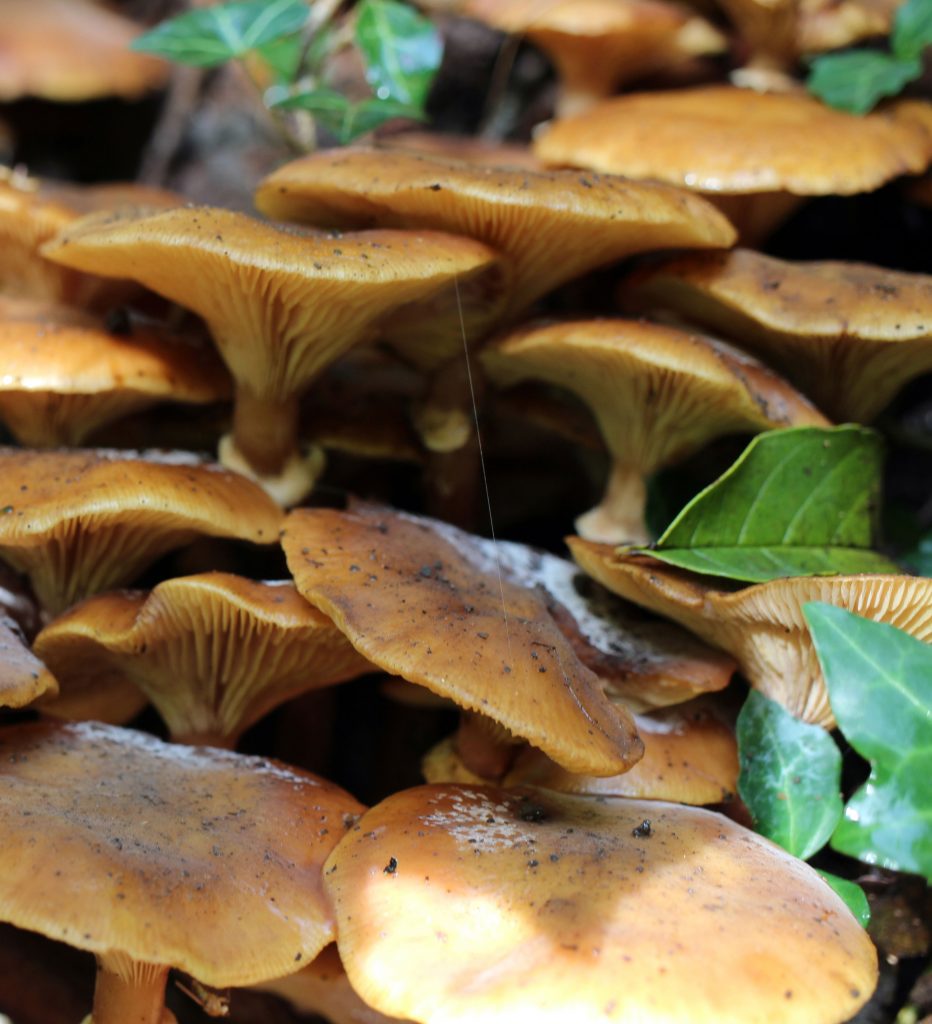
They produce structures that we call “mushrooms” **.
 Mushrooms are fruiting bodies. They produce thousands of tiny spores.
Spores are small and light. They are carried on air currents to new places in Nowhere Wood, where they will germinate and grow into new hyphae.


This is how it is. The precious molecules are used, recycled and become part of the growth of new organisms. Nothing is ever wasted.
You can read more about ‘being and becoming’ here.
**Some mushrooms are good to eat, others are really poisonous and can kill us. It is hard to tell them apart unless you are an expert, so it is sensible not to touch or eat any mushrooms you find in a wood.
One hundred and fifty years ago, the oak woods near Nowhere would have been home to red squirrels. Now they have all disappeared.
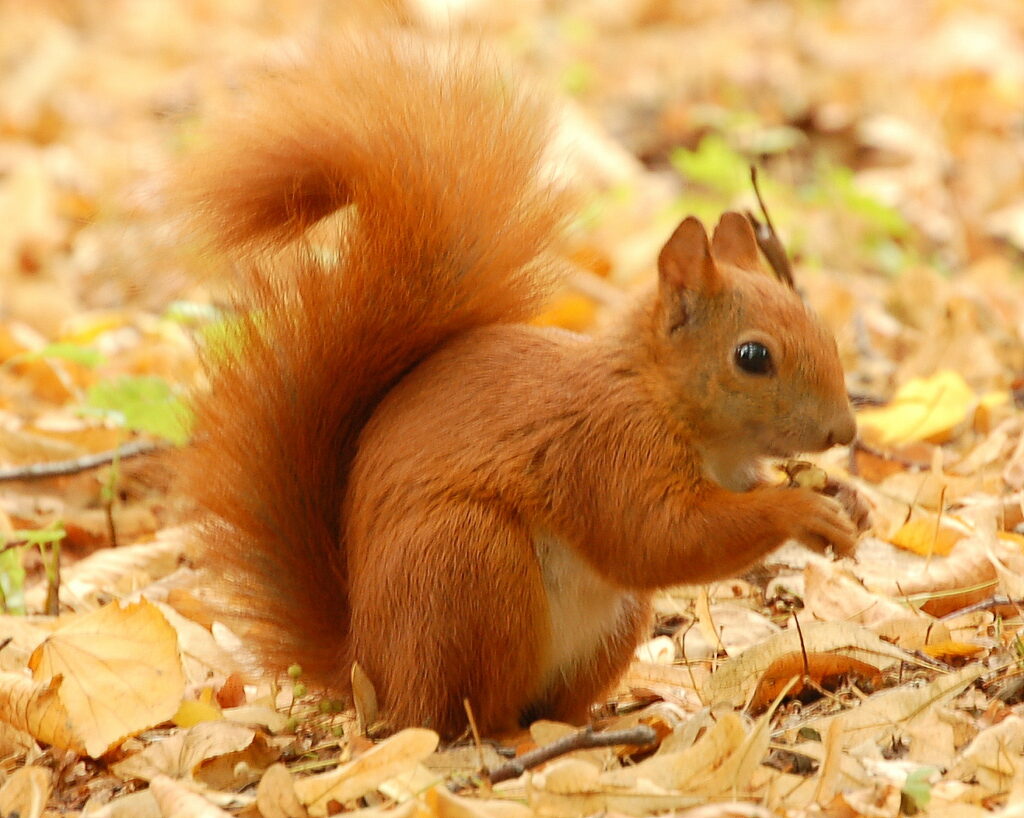
Grey squirrels spread to nearly all parts of the UK, replacing the red squirrels wherever they went. Now red squirrels are only found in a few places, where they are protected.
Grey squirrels are 60% better at digesting oak acorns than red squirrels, which seem to prefer hazel nuts. Oak acorns are much more common in Nowhere Wood than hazel nuts, and this favours the grey squirrel.
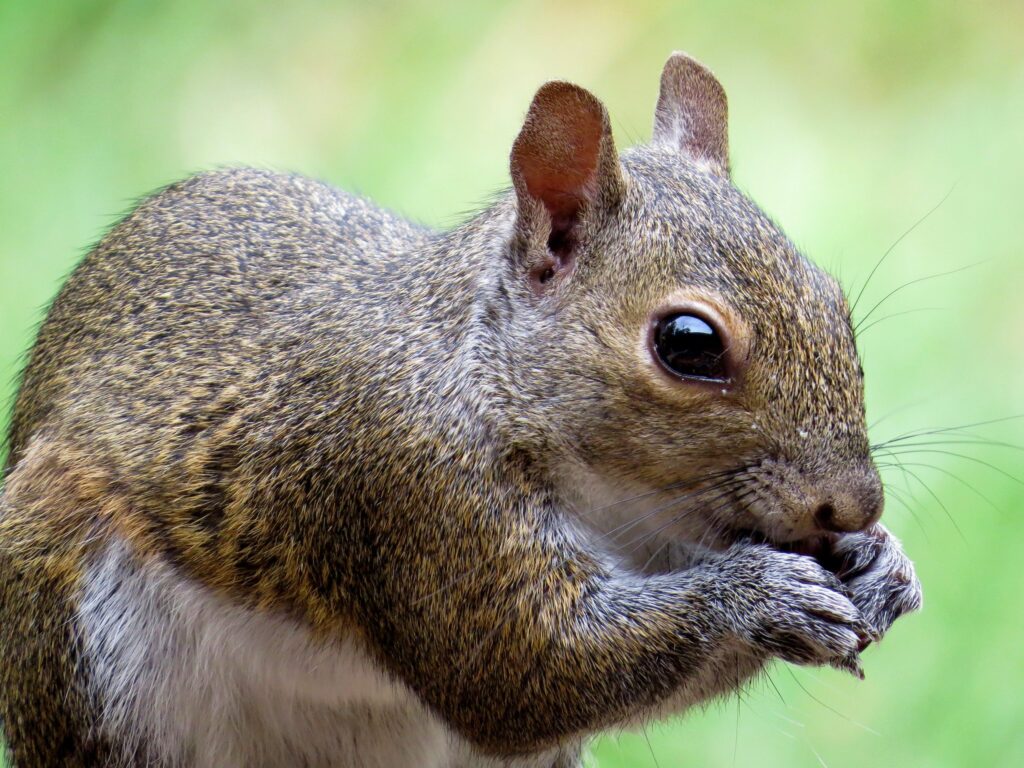
Survival is a risky journey for any squirrel: the arrival of new competitors or interruptions to the food supply can pose real challenges.
Their lives are adventures.
The word ‘adventure’ has two parts:
Ad means moving towards something.
Venture means attempting something dangerous or difficult, that is risky, with no guarantee of success.
Put the two together and you get the idea that the lives of all living organisms are risky journeys into the future, with no guarantee of success or survival.
If you like, you can think of life as:
organisms having adventures in time and space

Being (they are keeping themselves alive) and
Becoming (they are moving towards the next stage of their lives).
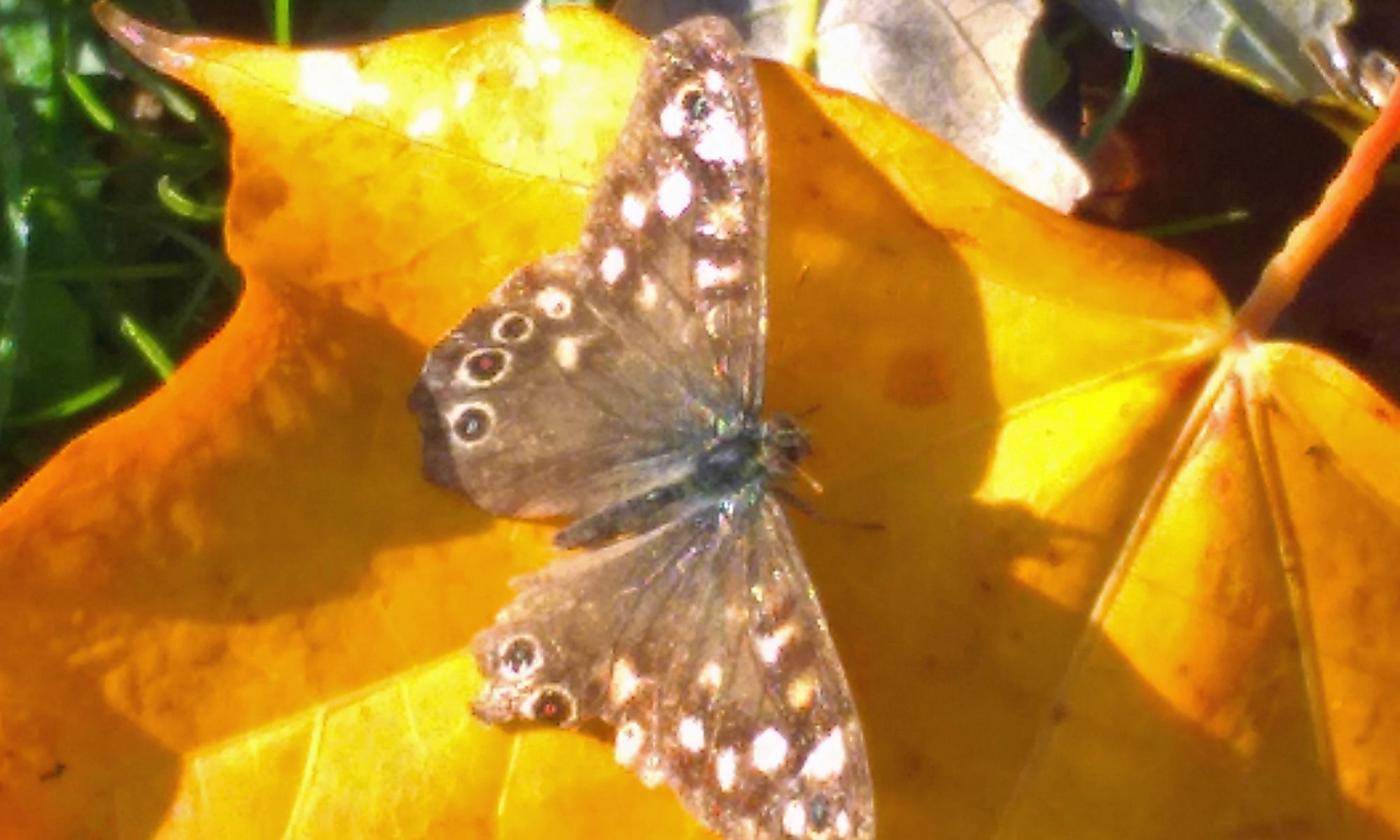
The butterfly is being and becoming at each stage of its life.
All of the animals and plants in Nowhere Wood are also “being” and “becoming”.